%2Ffit-in%2F250x250%2Fguide_websites%2F12334%2Fimages%2F1703259475465templogossheet5.png&w=1920&q=100)
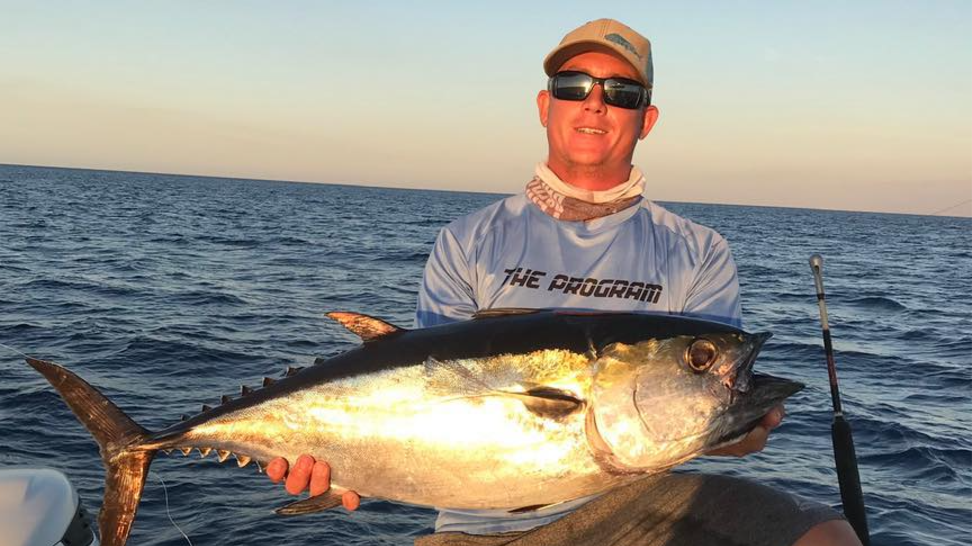
Great Barracuda Caught Fishing in Lantana FL
Great Barracuda Fishing in Lantana - What to Expect
%2F%2Fusers%2F59167e93-de83-475d-b1a4-052116ed964a%2Fimages%2Fgreat-barracuda-lantana-fishing-catch-2488.jpg&w=1920&q=75)
Fishing Charter by Captain Christian Rec in May
Meet your Captain Christian Rec
- Reel in Thrills: Premier Florida Fishing Charters


Summary
This fishing charter in Lantana, FL brought a memorable encounter with a great barracuda on a Wednesday in May. Captain Christian Rec guided this charter fishing adventure, showcasing the dynamic offshore opportunities that make Florida's waters a premier fishing destination. The catch highlights why local charter fishing remains one of the most exciting ways to experience coastal sport fishing.
Fishing Charter with Captain Christian Rec - Rates & Booking
Captain Christian Rec of The Program Sportfishing Charters took this fishing charter out on Wednesday, May 21st, delivering an exciting day on the water off Lantana. Working with an experienced captain familiar with local waters makes all the difference when targeting species like barracuda. For booking details and current rates on fishing charters from Lantana, contact The Program Sportfishing Charters directly to reserve your spot.
Highlights of Lantana Fishing Charters
The beauty of fishing off Lantana lies in the access to diverse offshore and nearshore environments. The waters around this Florida coastal community hold healthy populations of game fish, including barracuda, which are known for their aggressive strikes and acrobatic battles. Days like this one showcase why charter fishing continues to draw anglers from across the country - the combination of reliable fish populations, favorable conditions, and expert guidance creates memorable experiences.
Captain Christian Rec's local expertise proved valuable in locating productive fishing grounds and positioning the boat for success. The charter experience centers on more than just catching fish; it's about being guided through productive waters by someone who knows the area intimately.
Local Species Insights: Great Barracuda
Great barracuda are one of the most exciting game fish found in Florida's Atlantic waters. These sleek predators are built for speed and power, with elongated bodies and sharp teeth designed for hunting smaller fish in the water column. Barracuda are typically found in nearshore and offshore environments, hunting in areas with good current flow and ample prey. They're known for sudden, explosive strikes that test both tackle and angler skills.
What makes barracuda such a rewarding target is their willingness to hit artificial lures and live bait with impressive aggression. Once hooked, they're known for their head-shaking runs and aerial displays. The waters around Lantana provide ideal conditions for barracuda fishing, particularly during warmer months when these fish are most active. The offshore structure and reef systems create natural feeding grounds where barracuda congregate.
The environmental factors that support barracuda populations - warm water temperatures, active baitfish, and suitable depth zones - are consistently present in the Lantana area. Charter captains like Christian Rec leverage this knowledge to consistently locate these fish and present them with the lures and techniques most likely to trigger a strike. The experience of tangling with a great barracuda is something that stays with anglers long after the charter ends.
Fishing in Florida, United States: Great Barracuda
Great Barracuda Overview
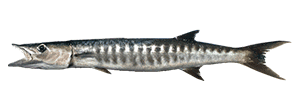
The Great Barracuda (Sphyraena barracuda) is one of the ocean's most iconic apex predators, belonging to the family Sphyraenidae within the order Perciformes. Known for its sleek, torpedo-shaped body, razor-sharp teeth, and lightning-fast hunting strikes, this fish has earned both respect and a touch of mystique among anglers and ocean enthusiasts worldwide. With speeds reaching 35 miles per hour and a reputation as a tenacious fighter, the Great Barracuda offers an unforgettable experience whether you're snorkeling off the Florida Keys or casting lines along the Atlantic Coast. Despite their fearsome reputation, attacks on humans are extraordinarily rare—yet the mere possibility has cemented them as one of the ocean's most fascinating and misunderstood predators.
What makes the Great Barracuda truly special is its combination of raw power, intelligence, and unpredictable behavior. These fish are naturally curious, often approaching divers and anglers not with aggressive intent, but out of genuine interest in shiny objects or potential food sources. Their silvery, streamlined appearance allows them to blend seamlessly with open water, making them master ambush hunters that rely on sight and explosive bursts of speed to capture prey.
Great Barracuda Habitat and Distribution
The Great Barracuda thrives in tropical and subtropical waters around the globe, with populations concentrated near shore in coral reefs, seagrass beds, and mangrove systems. In the United States, they're commonly found along the entire Atlantic seaboard from Massachusetts down through the Gulf of Mexico and the Florida Keys, though they rarely venture into the eastern Pacific. These fish are particularly abundant near the surface of the water, where mature specimens patrol reef structures and rocky outcrops in search of schooling prey.
These predators are typically solitary hunters, though they occasionally form loose hunting groups to encircle and trap schools of smaller fish. During spawning season—generally occurring in spring—they aggregate in specific areas, creating temporary concentrations that attract both commercial and recreational anglers. While they prefer nearshore environments, they're known to venture into deeper open ocean when food becomes scarce, demonstrating remarkable adaptability to different marine ecosystems.
Great Barracuda Size and Weight
Great Barracudas display impressive size variation depending on age and environmental factors. Young specimens typically range from 24 inches, while mature adults average between 24 to 48 inches in length. The largest recorded specimens reach up to 79 inches (over 6.5 feet), with weights ranging from 5 pounds for smaller juveniles to an impressive 103 pounds for trophy-sized individuals. This considerable size range means that every angling encounter presents a unique challenge—hooking a young 5-pounder is exciting, but landing a 100-pound monster is an experience that defines careers.
The barracuda's slender, streamlined physique allows it to achieve remarkable speed relative to its mass, making even smaller specimens surprisingly powerful fighters that can strip line from a reel with breathtaking speed.
Great Barracuda Diet and Behavior
As apex predators, Great Barracudas are aggressive hunters that primarily feed on herrings, sardines, and small tunas, but they're opportunistic enough to consume shrimp, octopi, and virtually any marine animal small enough to fit in their mouths. They hunt primarily by sight, relying on movement and contrast to identify prey—a trait that explains their attraction to bright, shiny fishing lures and jewelry worn by snorkelers.
These fish are naturally inquisitive and territorial, often approaching unfamiliar objects to investigate. When hunting in groups, they employ sophisticated tactics, circling and trapping prey schools in coordinated patterns that showcase surprising intelligence for a fish. Their hunting style is explosive—brief, powerful bursts of acceleration that leave little time for escape. Despite their fearsome reputation, Great Barracudas rarely attack humans. The last recorded fatal attack occurred in the 1950s off Key West and North Carolina, making such incidents statistically rarer than shark encounters. Most interactions with divers and snorkelers occur out of curiosity rather than aggression, though simple precautions like removing shiny jewelry significantly reduce any theoretical risk.
Great Barracuda Spawning and Seasonal Activity
Great Barracudas typically spawn during spring months when they aggregate in specific shallow-water zones, creating peak fishing opportunities for anglers who know where to look. Their reproductive cycle drives seasonal migrations and temporary congregations that can transform a quiet reef into an angler's paradise. Outside of spawning season, they remain relatively dispersed throughout their range, though they tend to be more active during warmer months and during feeding periods tied to baitfish migrations.
Year-round presence in their native range means that opportunities exist throughout the calendar, though spring and early summer typically offer the most consistent action for both recreational and tournament anglers.
Great Barracuda Techniques for Observation or Capture
Live Bait Casting: Deploy live mullet, sardines, or herring near reef structures and drop-offs where Great Barracudas patrol. Cast along the edges of reefs and wrecks, allowing bait to swim naturally in open water where these predators hunt. Use medium-weight spinning or baitcasting gear with 20-30 pound test line, as the fish's sharp teeth can fray lighter line. Allow the fish to take the bait with minimal resistance—they're aggressive eaters that rarely hesitate once committed. Around coastal areas like Miami and Key West, live bait fished near coral formations during dawn and dusk periods produces excellent results.
Artificial Lure Retrieval: Cast shiny, high-visibility lures like chrome-plated spoons, metallic jigs, or streamer flies near structure and open water adjacent to reefs. Use aggressive, erratic retrieves that mimic injured baitfish—quick strips followed by pauses often trigger strikes from curious or hungry fish. The Great Barracuda's sight-driven hunting means that bright colors and high contrast patterns work exceptionally well. Barracudas in Key West are particularly responsive to topwater plugs during low-light conditions.
Sight-Casting to Visible Fish: When you spot individual Great Barracudas in clear shallow water, lead them with your cast and retrieve directly across their field of vision. These fish are visual hunters that can't resist movement in their peripheral awareness. Use 1-2 ounce lures that create significant water disturbance and visual appeal. This technique requires stealth and patience but rewards careful anglers with explosive, memorable strikes.
Great Barracuda Culinary and Utilization Notes
While the Great Barracuda possesses firm, white meat that's technically edible, it's rarely consumed due to the risk of ciguatera—a form of food poisoning caused by toxins accumulated in large predatory fish from tropical waters. Larger specimens (over 5 pounds) carry higher ciguatera risk, making smaller barracudas theoretically safer options, though most anglers avoid eating them entirely. The species' true value lies not in culinary application, but in recreational opportunity—anglers prize them as gamefish specifically because of their challenging fighting ability, explosive strikes, and acrobatic leaps rather than table fare potential.
The Great Barracuda's role as an apex predator makes it ecologically valuable, and most modern catch-and-release practices support sustainable populations. Tournament anglers focus on catch-and-release protocols that minimize stress and maximize survival rates.
Great Barracuda Frequently Asked Questions
Q: What is the best bait for catching Great Barracuda?
A: Live mullet, sardines, herring, and mackerel are top choices, as they mimic the natural prey species that barracudas actively hunt. Shiny metal spoons and chrome jigs also work excellently, appealing to their sight-driven feeding behavior. Cast near structure during early morning and late afternoon when feeding activity peaks.
Q: Where can I find Great Barracuda near the Florida Keys or coastal cities?
A: Great Barracudas are abundant around coral reefs, shipwrecks, and mangrove edges throughout the Florida Keys and Atlantic coastal areas. Key West reef systems, along with nearshore structures in Miami and the upper Keys, provide reliable opportunities year-round. Hire a local charter captain familiar with structure locations for optimal results.
Q: Is the Great Barracuda safe to eat?
A: While technically edible, Great Barracuda carries significant ciguatera poisoning risk, especially larger specimens over 5 pounds. Most anglers practice catch-and-release, as the species' true value is recreational. If consumption is considered, keep only very small fish and check local health advisories.
Q: When is the best time to catch Great Barracuda?
A: Spring spawning season (March-May) provides peak aggregations and aggressive feeding behavior. Summer months remain productive, and fall can be excellent depending on location. Early morning and late afternoon periods consistently outperform midday fishing, when light penetration and fish activity favor anglers.
Q: Why do Great Barracudas approach divers and snorkelers?
A: Barracudas are naturally curious and hunt primarily by sight. They investigate unusual objects and shiny items (jewelry, watches, camera equipment) as potential prey. Removing bright objects and maintaining calm behavior virtually eliminates any risk of negative encounters.
Q: How do I land a large Great Barracuda safely?
A: Use a quality landing net and wear cut-resistant gloves—those razor-sharp teeth can cause serious injury if the fish is handled carelessly. Never attempt hand-landing a large specimen. Bring the fish to the net head-first, and consider using a dehooking tool if catch-and-release is your goal. Trophy specimens over 75 pounds may attempt to jump or bite during final moments of fatigue, requiring extra caution and experience.